
Addiction Counseling
Substance Use & Addiction Counseling in Newport Beach
For drinking, drug use or habits that have started to cost more than they give. Our therapists offer nonjudgmental outpatient support, whether you want to cut back, quit or stay in recovery.
In person at our Newport Beach office, serving Irvine, Costa Mesa and Orange County, or by telehealth anywhere in California.
Prefer to talk? Call (714) 497-3008

Who it helps
What Addiction Counseling Can Help With
Substance use often starts as a way to cope with stress, pain or anxiety, and then becomes its own problem. You don't need to hit rock bottom or call yourself an addict to get help.
We help people with:
- Alcohol use and drinking concerns
- Cannabis and other drug use
- Prescription medication misuse
- Early recovery and relapse prevention
- Gambling, gaming and other compulsive behaviors
- Substance use alongside anxiety, depression or trauma
- Family members affected by a loved one's use
- Staying steady in long-term recovery
How we help
We look at what the substance has been doing for you, the feelings it numbs or the needs it meets, so change has something solid underneath it. We provide outpatient counseling and can work alongside programs, groups or medical providers you already use. If detox or a higher level of care is needed, we'll help you find it first.
Sessions are 50 minutes, usually weekly, in person at our Newport Beach office or by telehealth anywhere in California.
Related: Individual Therapy · Therapy for Men · Family Therapy
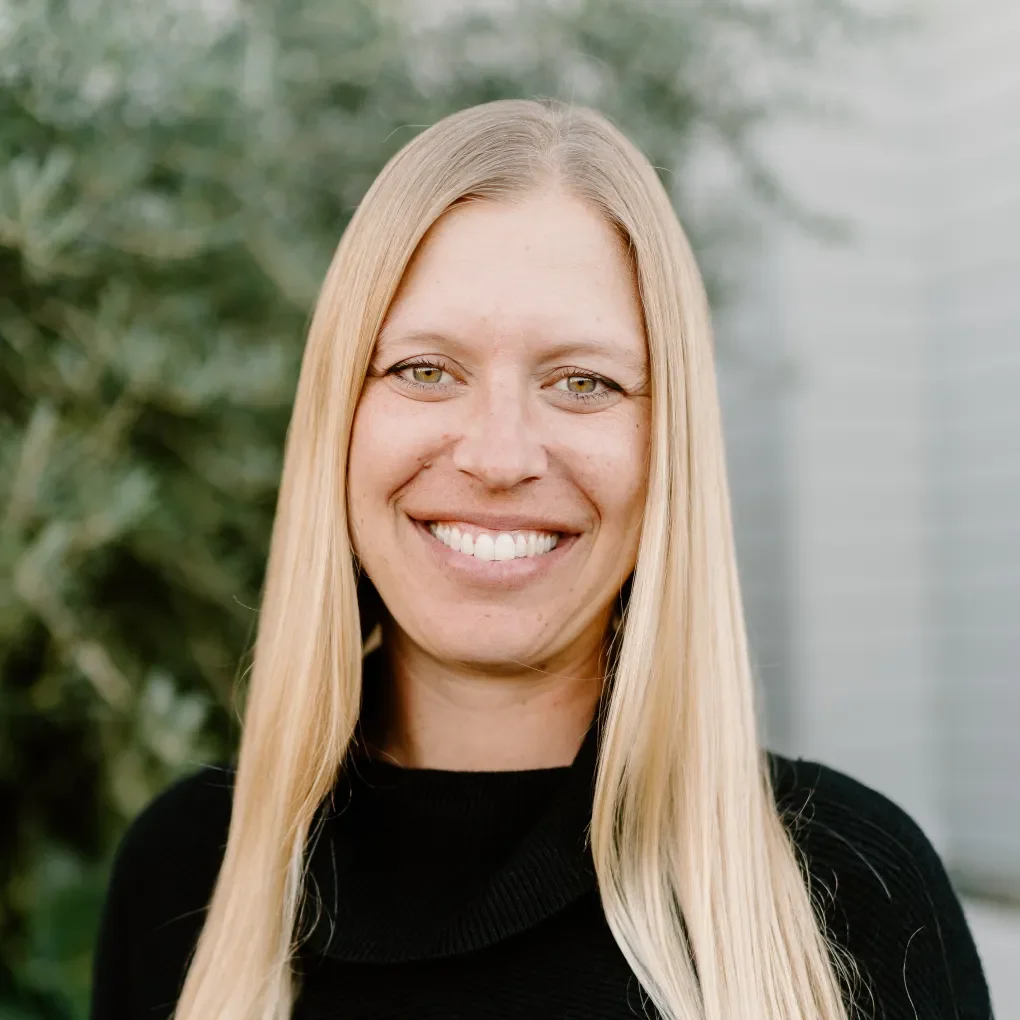
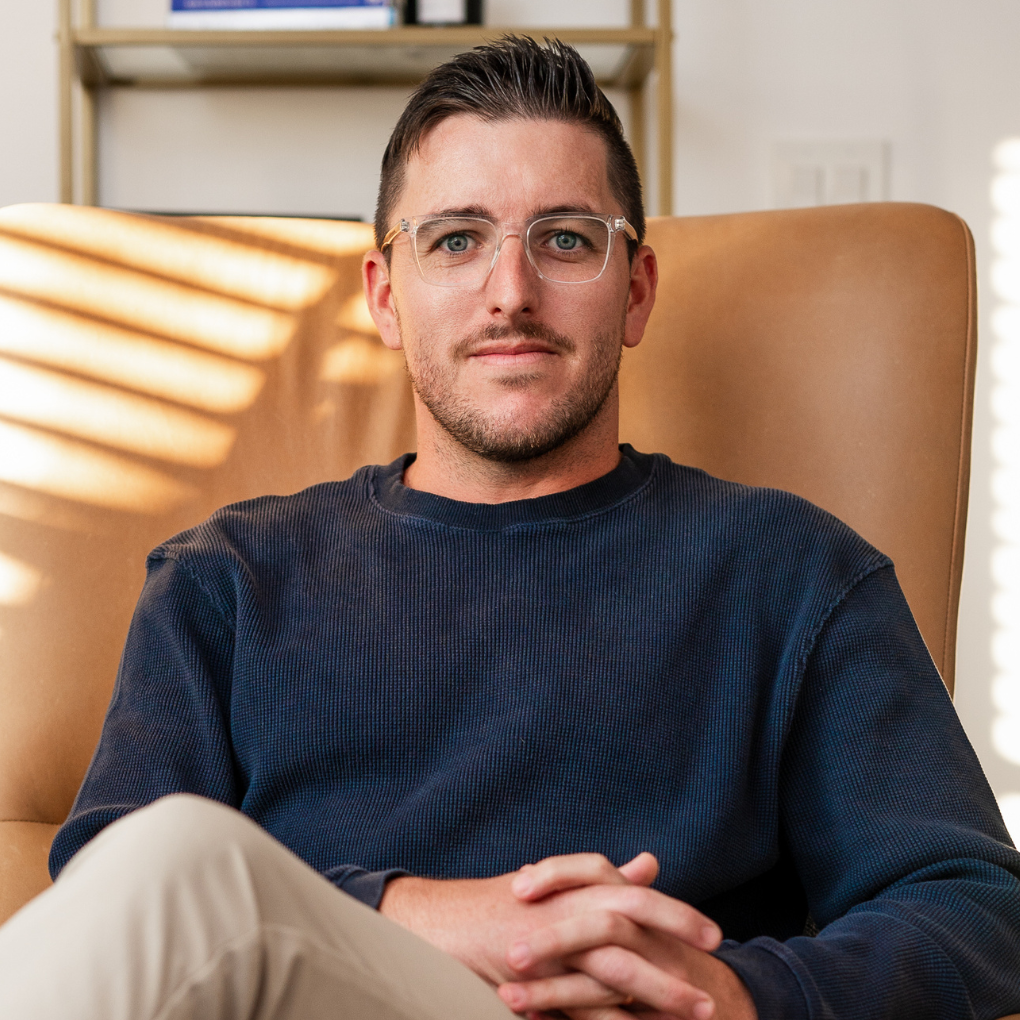
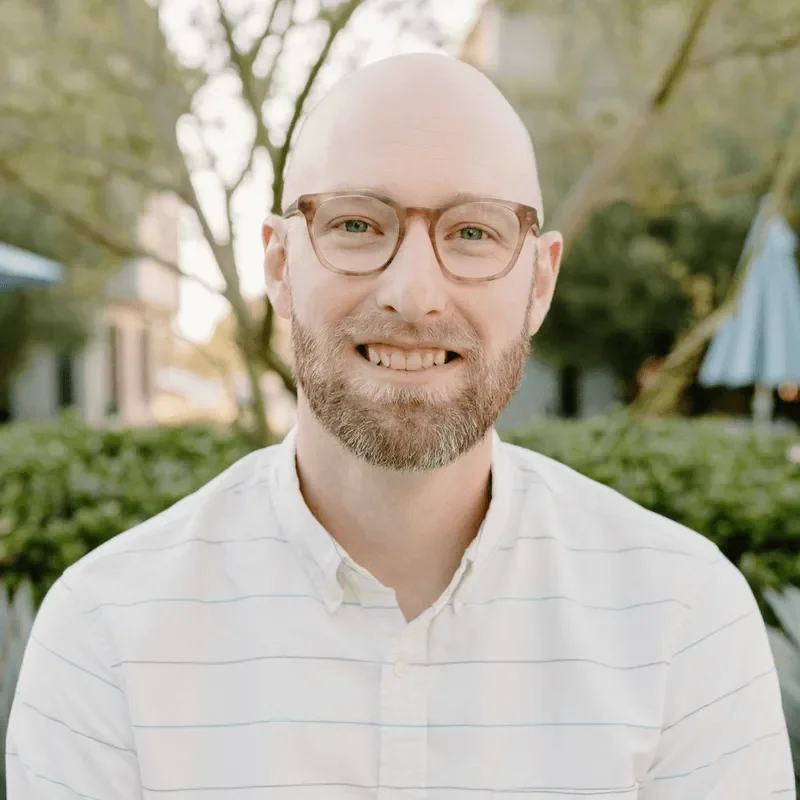
Meet Our Specialists In Addiction & Substance Use
-
![]()
Shannon Forbes, LMFT
-
![]()
Wes Tameifuna, AMFT
-
![]()
Monica Garcia, LMFT
-
![]()
Bryan Forbes, LMFT
-
![]()
Rianna Williams, LMFT
-
![]()
Kevin Cram, LMFT
-
![]()
Aspen Kling, LMFT




Questions
Addiction Counseling FAQ
Do I have to stop completely to start therapy?
No. Some people come in ready to quit, and others want to understand their use first or cut back. We start where you are.
Do you offer detox or residential treatment?
No. We provide outpatient therapy. If you need medical detox or a residential program, we'll help you find one and can support you before and after.
Can family members get support?
Yes. We work with partners and family members affected by a loved one's substance use, individually or together.
Do you offer addiction counseling online?
Yes. We offer secure telehealth sessions anywhere in California, and some clients mix in-person and online sessions.
Do you take insurance?
We are an out-of-network practice. That lets us keep caseloads manageable, protect your privacy and keep insurance companies out of decisions about your care. If your plan has out-of-network benefits, we can provide a superbill for possible reimbursement.

Ready to Start Therapy for Substance Use or Addiction?
Book a free consultation to talk through what's going on and get matched with the right therapist. We see clients from Newport Beach, Corona del Mar, Irvine, Costa Mesa and across Orange County.