
Religious & Spiritual Concerns
Therapy for Religious & Spiritual Concerns in Newport Beach
For faith questions, spiritual struggles, religious trauma or tension between your beliefs and your life. Our therapists welcome your faith, or your questions about it, as part of the conversation.
In person at our Newport Beach office, serving Irvine, Costa Mesa and Orange County, or by telehealth anywhere in California.
Prefer to talk? Call (714) 497-3008

Who it helps
What We Help With
Faith can be a source of strength and also of conflict, guilt or confusion. Whether you're deeply religious, questioning or leaving a tradition, therapy can help you sort through it with care.
We help people with:
- Doubt and faith transitions
- Religious guilt and scrupulosity
- Religious trauma
- Leaving or changing faith communities
- Conflict between faith and identity
- Interfaith relationships and families
- Ministry and church leadership stress
- Bringing faith into therapy
How we help
We respect each client's beliefs and don't impose our own. Your therapist can bring your faith into the work if you want it there, or help you explore questions you haven't felt safe asking elsewhere.
Sessions are 50 minutes, usually weekly, in person at our Newport Beach office or by telehealth anywhere in California.
We also partner with local churches and pastors. Learn about our church partnerships. Related: Individual Therapy
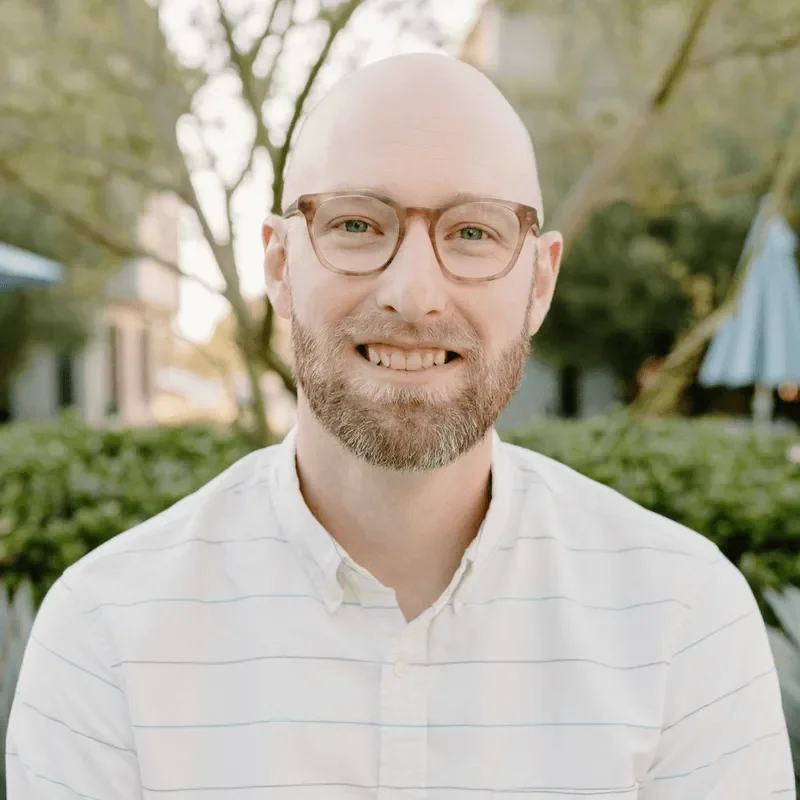
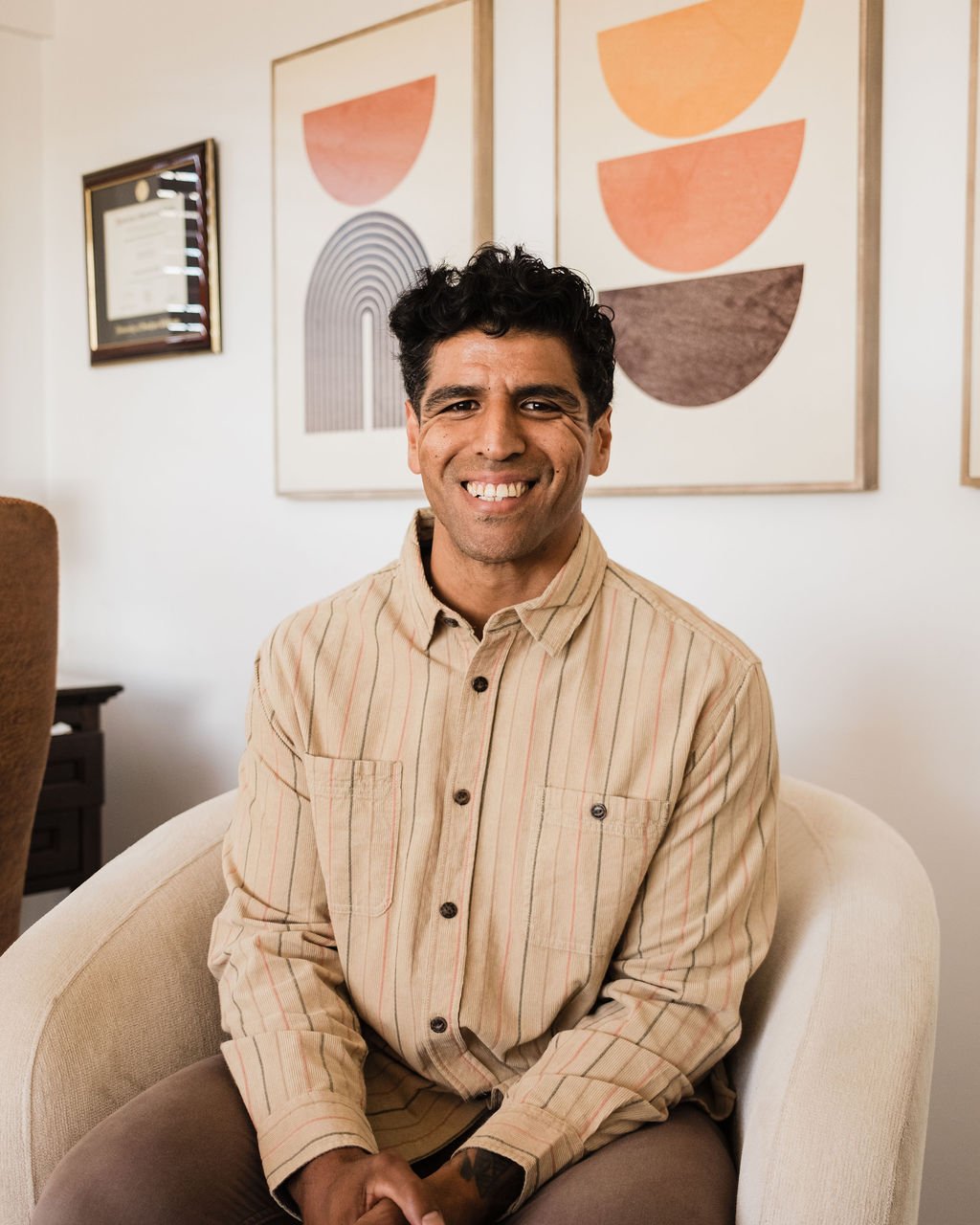
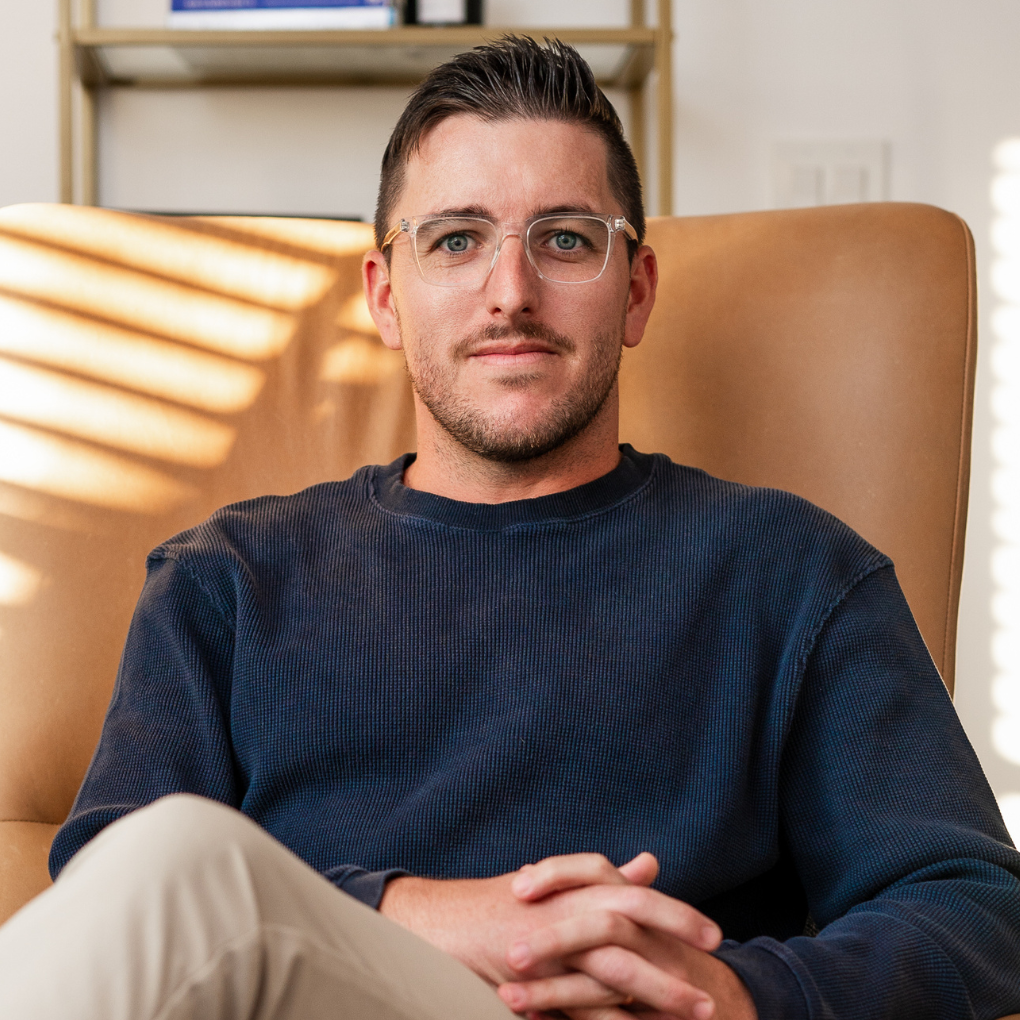
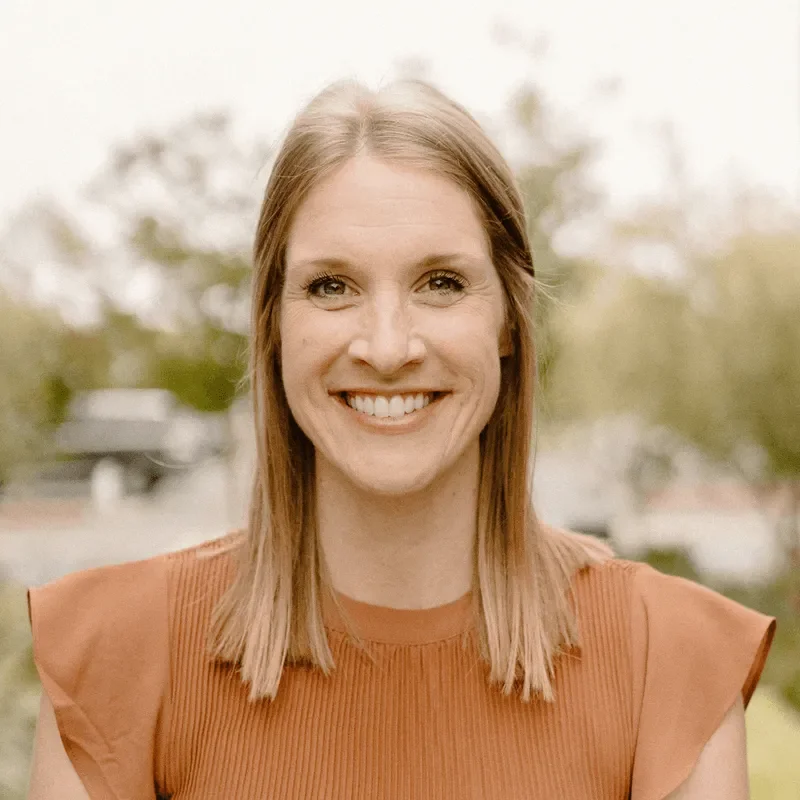
Meet Our Specialists In Religious & Spiritual Concerns
-
![]()
Kevin Cram, LMFT
-
![]()
Susan Park, AMFT
-
![]()
Wes Tameifuna, AMFT
-
![]()
Bryan Forbes, LMFT
-
![]()
Rianna Williams, LMFT
-
![]()
Kelly Lundquist, AMFT
-
![]()
Shannon Forbes, LMFT
-
![]()
Aspen Kling, LMFT




Questions
Faith & Therapy FAQ
Can my faith be part of therapy?
Yes. If you'd like your faith included, your therapist will work with it respectfully. If you're questioning or moving away from faith, that's welcome too.
Do you work with pastors and ministry leaders?
Yes. We support ministry leaders and their families with the same confidentiality as any client.
What is religious trauma?
Religious trauma can come from harmful teachings, control or shame within a religious community. It may show up as anxiety, guilt or trouble trusting yourself. Therapy helps you heal at your own pace.
Do you offer therapy online?
Yes. We offer secure telehealth sessions anywhere in California, and some clients mix in-person and online sessions.
Do you take insurance?
We are an out-of-network practice. That lets us keep caseloads manageable, protect your privacy and keep insurance companies out of decisions about your care. If your plan has out-of-network benefits, we can provide a superbill for possible reimbursement.

Ready to Start Therapy for Religious or Spiritual Concerns?
Book a free consultation to talk through what's going on and get matched with the right therapist. We see clients from Newport Beach, Corona del Mar, Irvine, Costa Mesa and across Orange County.