
Grief Counseling
Grief Counseling & Therapy in Newport Beach
For the loss of a loved one, a relationship, a pregnancy or the life you expected. Our therapists give grief the time and attention it needs, so you can carry the loss without it taking over.
In person at our Newport Beach office, serving Irvine, Costa Mesa and Orange County, or by telehealth anywhere in California.
Prefer to talk? Call (714) 497-3008

Who it helps
What Grief Counseling Can Help With
Grief doesn't follow a schedule. It can arrive as waves of sadness, numbness, anger, guilt or exhaustion, sometimes months or years after a loss. Friends and family may expect you to move on before you're ready.
We help people with:
- Death of a parent, partner or child
- Sudden or traumatic loss
- Loss of a pet
- Divorce or the end of a relationship
- Pregnancy loss and infertility
- Anticipatory grief during a loved one's illness
- Complicated or prolonged grief
- Losses others don't seem to recognize
How we help
We don't rush you through stages. Your therapist helps you make room for everything you feel, understand how this loss connects to the rest of your life, and find ways to honor what you lost while you keep living.
Sessions are 50 minutes, usually weekly, in person at our Newport Beach office or by telehealth anywhere in California.
Related: Individual Therapy · EMDR & Trauma Therapy · Depression Therapy
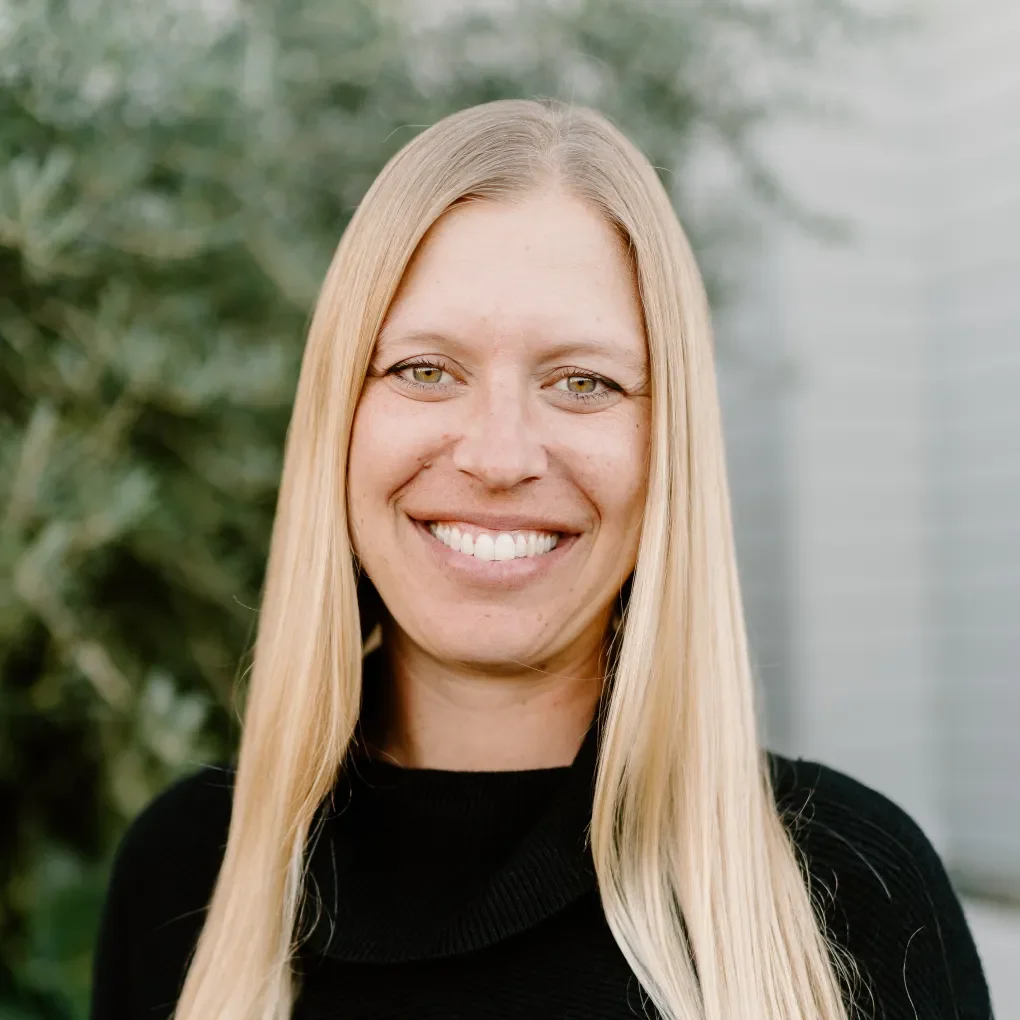
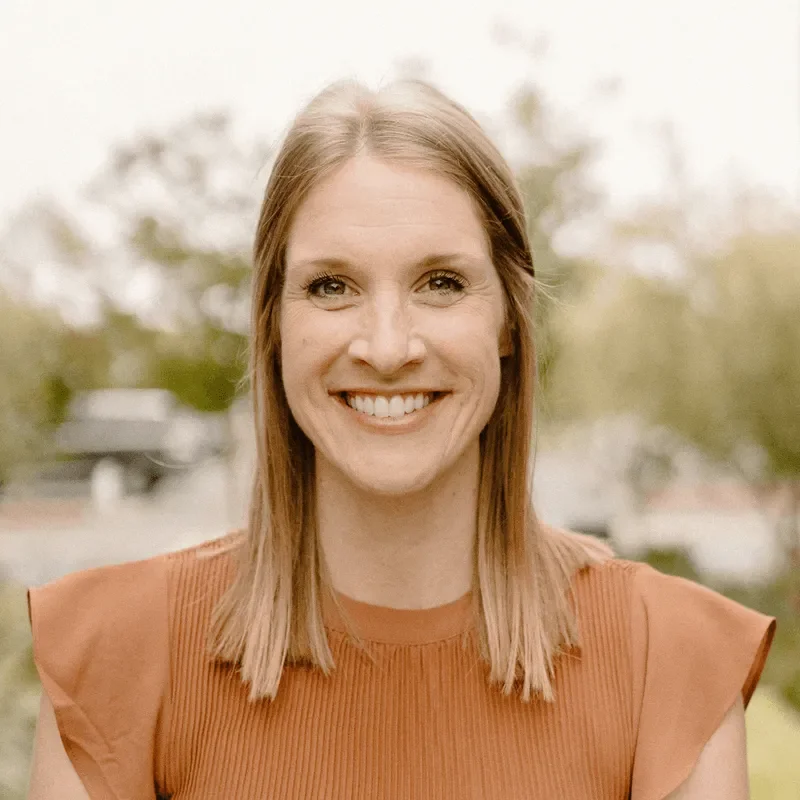
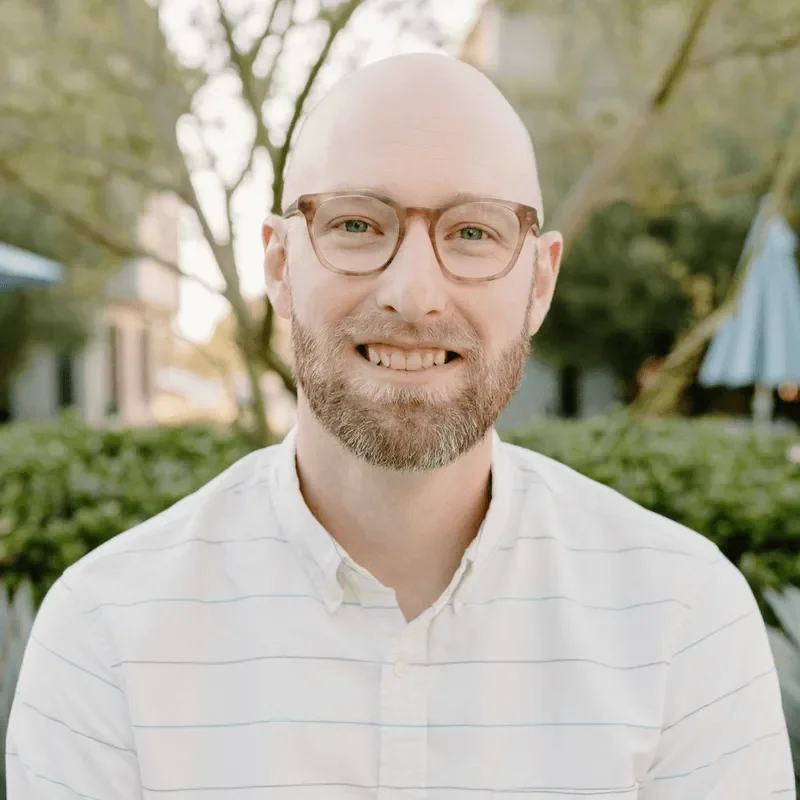
Meet Our Specialists In Grief & Loss
-
![]()
Danielle DesRosier, AMFT
-
![]()
Shannon Forbes, LMFT
-
![]()
Wes Tameifuna, AMFT
-
![]()
Susan Park, AMFT
-
![]()
Monica Garcia, LMFT
-
![]()
Bryan Forbes, LMFT
-
![]()
Rianna Williams, LMFT
-
![]()
Madison Reich, LMFT
-
![]()
Kelly Lundquist, AMFT
-
![]()
Kevin Cram, LMFT
-
![]()
Aspen Kling, LMFT
-
![]()
Kaileigh Reed, AMFT









Questions
Grief Counseling FAQ
Is it normal to still be grieving after a year?
Yes. Grief has no deadline. If it still feels as intense as it did early on, or keeps you from daily life, therapy can help.
What's the difference between grief counseling and grief therapy?
The terms are used interchangeably. Both mean working with a therapist to process a loss.
Can you help after a sudden or traumatic death?
Yes. Sudden losses can bring shock and trauma symptoms along with grief, and we can help with both.
Do you offer grief counseling online?
Yes. We offer secure telehealth sessions anywhere in California, and some clients mix in-person and online sessions.
Do you take insurance?
We are an out-of-network practice. That lets us keep caseloads manageable, protect your privacy and keep insurance companies out of decisions about your care. If your plan has out-of-network benefits, we can provide a superbill for possible reimbursement.

Ready to Start Therapy for Grief?
Book a free consultation to talk through what's going on and get matched with the right therapist. We see clients from Newport Beach, Corona del Mar, Irvine, Costa Mesa and across Orange County.