
What Therapy for Spanish Speakers Is
Therapy for Spanish speakers is psychotherapy offered fully in Spanish for individuals, couples, and families who feel most themselves in their primary language.
Language carries emotion. It carries family history, humor, shame, affection, and memory. When therapy happens in the language you grew up with, something shifts. You don’t have to translate your feelings. You don’t have to search for the right word. You can simply speak.
At Forbes Individual & Family Therapy, therapy in Spanish is not just English therapy delivered in another language. It is relational, culturally aware, and grounded in a depth-oriented approach that honors both your emotional world and your lived experience.

What It Will Feel Like at Forbes Individual & Family Therapy
Therapy in Spanish often feels more natural and emotionally precise.
It’s easier to express vulnerability
ou can describe family dynamics without over-explaining
Cultural values are understood, not questioned
Emotions flow with less hesitation
You may notice:
Sessions are thoughtful and collaborative. We move at a pace that allows reflection and insight, not just quick solutions.
Many clients share that speaking in Spanish allows them to access earlier memories, family stories, and emotional layers that don’t surface as easily in English. That depth often leads to meaningful change.
Our goal is for you to feel both understood and emotionally safe.

Anxiety and chronic stress
Depression or emotional heaviness
Relationship struggles
Family conflict
Parenting stress
Trauma and unresolved past experiences
Acculturation or identity challenges
Self-esteem struggles
Grief and loss
What Therapy for Spanish Speakers Is Used to Treat
Spanish-language therapy supports the same wide range of concerns as our other services, including:
For many Spanish-speaking clients, there may also be added layers such as:
Navigating two cultures
Feeling pressure to support family members
Holding responsibility as a translator or bridge
Growing up in families where emotions weren’t openly discussed
Therapy provides space to explore these experiences with care and curiosity.
A Depth-Oriented Perspective

From a depth-oriented lens, early relationships shape how we see ourselves and how we relate to others. Cultural expectations, unspoken family rules, and generational experiences often influence how we handle conflict, express emotion, and form identity.
For example:
If independence was discouraged, setting boundaries may feel uncomfortable.
If emotions were minimized, vulnerability may feel foreign.
If family loyalty was central, prioritizing your own needs may bring guilt.
Therapy helps you understand these patterns so you can decide which parts of your story you want to keep—and which you’re ready to reshape.
Working in Spanish often makes this process more immediate and meaningful.
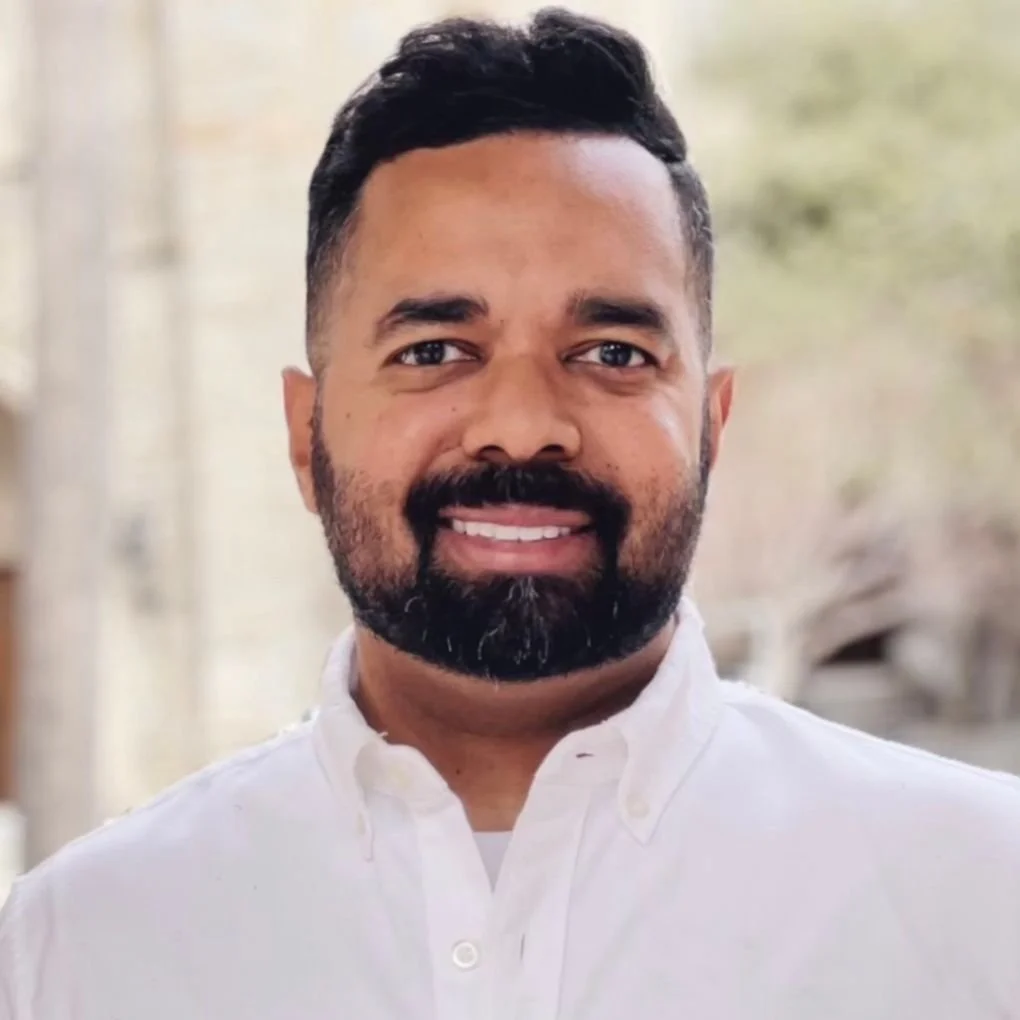
Meet Our Specialists In Spanish Speakers Therapy
-
![]()
Wes Tameifuna ,AMFT
-
![]()
Phillip Vazquez, AMFT
-
![]()
Bryan Forbes, LMFT
-
![]()
Shannon Forbes, LMFT
-
![]()
Cristina Arenales, LMFT
-
![]()
Monica Garcia, LMFT
-
![]()
Andrey Antonenko, LMFT







Getting Started
If certain memories feel intrusive, overwhelming, or emotionally “unfinished,” EMDR may help you finally experience relief—not by avoiding the past, but by fully processing it.
You don’t have to carry it alone anymore.
Reach out today to schedule a consultation. Our intake coordinator will help determine whether EMDR is an appropriate fit and guide you toward the right clinician.